
FOR PATIENTS
Radionuclide Therapy
Targeted treatment guided by nuclear medicine
TheraMed Nuclear radionuclide therapy use carefully selected radioactive medicines that travel through the bloodstream and attach to specific cells or tissues.
Where we treat
We provide radionuclide therapy across five branches


Johannesburg Surgical Hospital, Northcliff, JHB
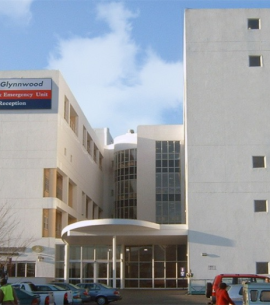
Glynn Eden Medical Suites, Benoni, JHB
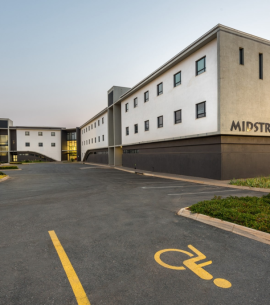
Midstream Hill Medical Park, Midstream, JHB
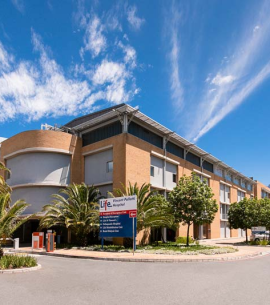
Life Vincent Pallotti Hospital, Pinelands, CT
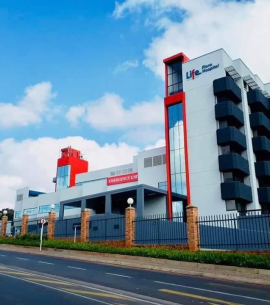
Life Flora Hospital, Roodepoort, JHB
Treatment Information
See below for detailed information on radionuclide therapy at TheraMed Nuclear
Being told that your prostate cancer has spread can feel overwhelming. At TheraMed Nuclear, we want you to know that targeted treatment options are available — and our team is here to guide you through every stage of your care.
Lu-177 PSMA radioligand therapy
A targeted treatment for prostate cancer — delivered with precision and guided by imaging.
Lu-177 PSMA therapy is a form of internal radiation treatment that seeks out prostate cancer cells throughout the body and delivers radiation directly to them, while limiting exposure to nearby healthy tissue.
How does it work?
Prostate cancer cells often carry a protein on their surface called PSMA — prostate-specific membrane antigen. This protein acts like a molecular address label, helping us locate cancer cells wherever they have spread.
Lu-177 PSMA therapy combines a PSMA-targeting molecule with lutetium-177, a radioactive element that emits short-range beta radiation. After the treatment is given through a vein, it travels through the bloodstream, attaches to PSMA-bearing cancer cells and delivers radiation directly to them.
The treatment is designed to attach to PSMA-positive cancer cells, helping to spare much of the surrounding healthy tissue.
Who is this therapy for?
Lu-177 PSMA therapy is generally considered for patients with metastatic castration-resistant prostate cancer (mCRPC) — prostate cancer that has continued to progress despite hormonal therapy and chemotherapy.
Before treatment can be considered, a PSMA PET-CT scan is performed to confirm that the cancer cells carry enough PSMA for the treatment to target them effectively.
The pathway from scan to treatment
PSMA PET-CT scan
This confirms PSMA expression and maps the extent of your disease. In some cases, an F-18 FDG PET-CT scan may also be required to assess metabolic activity and help confirm whether the therapy is suitable.
Pre-treatment workup
Blood tests are usually completed around two weeks before treatment, including full blood count, kidney function, liver function and PSA. LDH and CRP may also be requested. A renogram may be performed to assess kidney drainage. Taxane-based chemotherapy must generally be stopped at least four weeks before treatment, while hormonal therapies may continue.
Multidisciplinary discussion
Your oncologist reviews the scan findings and discusses the treatment plan with our nuclear medicine team.
Treatment session
The therapy is administered as a short intravenous infusion at TheraMed Nuclear.
Post-therapy whole-body scan
A scan is performed the following day to confirm that the treatment has reached the known sites of disease.
Repeat cycles
Treatment is typically given over four to six cycles, approximately six to eight weeks apart.
What to expect on the day
You do not usually need to fast beforehand, and you can take your normal medication unless your doctor has advised otherwise.
Preparation
You will receive an anti-nausea injection and an intravenous dose of cortisone. The cortisone helps reduce radiation-related swelling at sites of disease.
Kidney protection
Intravenous saline is given before and after therapy to keep your kidneys well flushed and help reduce radiation exposure.
The infusion
The Lu-177 PSMA therapy is administered in a small bag of saline over approximately 10 to 20 minutes. The lines are flushed afterwards with normal saline.
Monitoring and discharge
Our team will monitor you for around two to four hours. Radiation levels are checked before discharge and most patients return home the same day.
The following day
You will return for a whole-body scan to confirm that the therapy has reached the sites of disease. Findings will be discussed with you by telephone or in person.
Radiation precautions at home
Lu-177 PSMA emits a small amount of radiation, so simple precautions are required for several days after treatment. Our team will explain these clearly before you leave.
Flush the toilet twice after each use.
Avoid close contact with young children and pregnant women.
Limit close physical contact with other adults.
Do not share a bed.
Possible side effects
Lu-177 PSMA therapy has a favourable safety profile and is generally well tolerated. Most patients are able to continue their normal daily activities between treatment cycles.
Dry mouth
Reported in approximately 30% of patients because the salivary glands carry a small amount of PSMA. It may affect taste and increase the need to sip water, but is usually manageable.
Fatigue
Experienced by approximately 25% of patients, particularly after the first one or two cycles.
Nausea
Reported in approximately 10% of patients. We administer anti-nausea medication before treatment and can provide tablets to take home.
Temporary pain flare
Some patients experience a short-lived increase in pain at metastatic sites after treatment. This usually settles within a few days, and cortisone helps reduce it.
Changes in blood counts or kidney function
Bone marrow suppression occurs in fewer than 25% of patients. We monitor blood counts, kidney function and liver function throughout treatment, including blood tests around two weeks after each cycle.
You will not be left to manage side effects alone. Your nuclear medicine physician reviews your results before each cycle and adjusts the plan where needed. Our team is available to answer questions between appointments.
How to be referred
Ask your oncologist, urologist or treating specialist to send a referral to TheraMed Nuclear. We will handle the next steps, including medical-aid pre-authorisation, and contact you directly to arrange your appointment.
Our team is here to guide you and your family through the process and answer any questions before treatment begins.
Receiving a diagnosis of a neuroendocrine tumour can bring many questions. These tumours are relatively uncommon and can behave differently from other cancers, which means their treatment is also highly specialised. At TheraMed Nuclear, our team has experience in both diagnosing and treating neuroendocrine tumours, and we are here to make each step as clear and manageable as possible.
Lu-177 DOTATATE PRRT
Peptide Receptor Radionuclide Therapy for neuroendocrine tumours.
PRRT is a targeted internal radiation treatment that has improved outcomes for many patients with advanced neuroendocrine tumours. It works together with DOTATATE PET-CT imaging: the scan first confirms that the tumour cells carry the right molecular target, and the treatment then uses that same target to deliver radiation directly to those cells.
How does it work?
Many neuroendocrine tumour cells carry receptors on their surface that respond to a naturally occurring hormone called somatostatin.
DOTATATE is a small peptide molecule that attaches tightly to these receptors — much like a key fitting into a lock.
During PRRT, DOTATATE is combined with lutetium-177, a radioactive element that emits short-range beta radiation. Once given through a vein, the DOTATATE molecule carries the lutetium directly to tumour cells that carry somatostatin receptors.
The radiation travels only a short distance — approximately one to two millimetres — helping to limit exposure to nearby healthy tissue.
Who is this therapy for?
PRRT is used for neuroendocrine tumours that carry enough somatostatin receptors to be targeted effectively. This is confirmed with a Ga-68 DOTATATE PET-CT scan, which can be performed at TheraMed Nuclear.
Neuroendocrine tumours can begin in different parts of the body, most commonly the digestive system, pancreas and lungs.
PRRT may also be considered for metastatic phaeochromocytoma, paraganglioma and certain thyroid cancers that express somatostatin receptors.
The treatment may be effective regardless of where the tumour began, provided that adequate receptor expression is confirmed on imaging.
The pathway from scan to treatment
Ga-68 DOTATATE PET-CT scan
This scan maps the tumour sites and confirms somatostatin receptor expression, helping determine whether PRRT is suitable. In some cases, an F-18 FDG PET-CT scan may also be performed to assess metabolic activity.
Pre-treatment workup
Blood tests are usually completed approximately two weeks before each treatment session. These may include a full blood count, kidney function, liver function and chromogranin A tumour marker. A renogram is also performed to confirm that kidney drainage is unobstructed.
Managing somatostatin medication
If you are using a long-acting somatostatin analogue such as Sandostatin LAR, it may need to be stopped four weeks before treatment. Short-acting somatostatin analogues are usually stopped one day before treatment and may be restarted the following day. Your treatment team will guide you on the correct timing.
Planning and assessment
Our nuclear medicine physician reviews your scans, blood results, kidney function and overall health to plan the treatment safely.
Treatment cycles
PRRT is typically given over four to six cycles, with each cycle approximately eight to twelve weeks apart.
Monitoring and response assessment
Blood tests and imaging are used between cycles to monitor your response and adjust the treatment plan where necessary. A repeat renogram is generally performed before the third and fifth cycles.
What to expect on the day
Each PRRT session takes several hours. We recommend planning for most of the day and wearing comfortable clothing.
Arrival and preparation
An intravenous line will be placed. You will receive anti-nausea medication and an intravenous dose of cortisone, which helps reduce radiation-related swelling at tumour sites.
Kidney-protection infusion
An amino-acid infusion of approximately 1.5 to 2 litres begins around 30 minutes before treatment and continues for approximately four hours. This helps protect the kidneys by reducing the amount of radiation they reabsorb.
The PRRT infusion
Lu-177 DOTATATE is administered through the same intravenous line over approximately 10 to 30 minutes. The line is flushed with normal saline afterwards.
Rest and monitoring
You will rest at our facility while the amino-acid infusion is completed. Our staff will monitor you throughout, and most patients return home approximately two to four hours after the therapy.
The following day
You will return for a whole-body scan to confirm that the treatment has reached the sites of disease identified on your original DOTATATE PET-CT scan.
What to bring
Bring something to read, a snack and comfortable clothing. A companion is welcome to accompany you and wait with you during the session.
The amino-acid infusion may cause temporary nausea. This is why anti-nausea medication is given beforehand. Tablets may also be provided for you to take home.
Radiation precautions at home
Lu-177 DOTATATE emits a small amount of radiation, so you will need to follow simple precautions for several days after treatment. Our team will explain these clearly before you leave.
Flush the toilet twice after each use.
Avoid close contact with young children and pregnant women.
Limit close physical contact with other adults.
Do not share a bed.
Possible side effects
PRRT has a favourable safety profile and is generally well tolerated. Many patients continue their usual daily activities between treatment cycles.
Nausea
This is most often caused by the amino-acid infusion rather than the PRRT itself. It is usually mild and short-lived. Anti-nausea medication is given before treatment, and tablets may be provided to take home.
Temporary pain flare
Some patients experience a short-term increase in pain at tumour sites after treatment. The cortisone given with therapy helps reduce this, and additional pain medication can be prescribed where needed.
Fatigue
Tiredness is relatively common after treatment but is usually mild and temporary.
Mild hair thinning or reduced appetite
Some patients experience mild hair thinning or a temporary reduction in appetite during the treatment course.
Changes in blood counts or kidney function
Bone marrow effects are the most common delayed side effect. We carefully monitor your blood counts, kidney function and liver function throughout treatment. Blood tests are generally performed two weeks after the first cycle and two weeks before each later cycle.
Serious side effects are uncommon. Your nuclear medicine physician reviews all results before each cycle and will discuss any concerns or changes to your treatment plan directly with you.
Already had a DOTATATE PET-CT scan at TheraMed Nuclear?
Ask your treating specialist whether PRRT may be appropriate for you. Where suitable, we can help ensure a smooth transition from diagnosis and imaging to treatment within the TheraMed Nuclear team.
How to be referred
Ask your oncologist or treating specialist to send a referral to TheraMed Nuclear. We will manage the next steps, including medical-aid pre-authorisation, and contact you directly to arrange your appointment.
Our team is here to guide you and your family throughout the process and answer any questions before treatment begins.
Radioiodine therapy has been used safely and effectively for more than 70 years, making it one of the most established treatments in nuclear medicine. It uses the thyroid gland’s natural ability to absorb iodine to deliver targeted radiation precisely to thyroid tissue.
Radioiodine therapy
A trusted treatment for benign and malignant thyroid conditions.
At TheraMed Nuclear, radioiodine is used to treat two different groups of patients: those with an overactive thyroid, known as hyperthyroidism, and those with thyroid cancer.
The treatment process differs depending on your condition, and our team will explain exactly what preparation, treatment and follow-up will involve.
How does radioiodine work?
Thyroid tissue absorbs iodine more readily than almost any other tissue in the body.
Radioiodine therapy uses a radioactive form of iodine called I-131. It is swallowed as a small capsule and absorbed by thyroid tissue, where it delivers targeted radiation.
There is no injection involved. The treatment is designed to affect thyroid tissue while limiting exposure to other parts of the body.
The thyroid naturally absorbs iodine, allowing radioiodine to deliver treatment directly to thyroid tissue.
Radioiodine for an overactive thyroid
Hyperthyroidism occurs when the thyroid gland produces too much thyroid hormone. This may cause symptoms such as heart palpitations, weight loss, anxiety, tremor and heat intolerance.
Common causes include Graves’ disease, a hyperfunctioning multinodular goitre and a toxic thyroid nodule.
Radioiodine is a highly effective long-term treatment. The capsule is absorbed by overactive thyroid tissue and progressively reduces its function over several weeks or months.
Developing an underactive thyroid is an expected outcome.
Most patients will eventually develop hypothyroidism and require lifelong thyroid hormone replacement tablets such as Eltroxin or another form of thyroxine. This is straightforward to monitor with regular blood tests.
Most patients require one treatment, although some may need a second dose following reassessment. The effect is not immediate, and your specialist may continue or adjust your existing thyroid medication while the treatment takes effect.
Preparing for hyperthyroidism treatment
- Blood tests will confirm hyperthyroidism, and a thyroid scan may be performed to confirm radioiodine uptake and calculate the correct dose.
- Avoid iodinated CT contrast for approximately four to six weeks before treatment.
- Follow a low-iodine diet for approximately one week before the scan or treatment. We will provide guidance on foods to avoid.
- Carbimazole or Neo-Mercazole is generally stopped three days before treatment. Your doctor will give you specific instructions.
- Women of childbearing age require a pregnancy test before treatment. Radioiodine cannot be administered during pregnancy.
- Do not eat or drink for four hours before receiving the capsule and for two hours afterwards, unless our team advises differently.
What to expect on the day — hyperthyroidism
Arrival
You will arrive at the Nuclear Medicine Department and meet with our team before treatment.
Review of precautions
We will explain the treatment, answer your questions and go through the radiation precautions you will need to follow at home.
Taking the capsule
You will swallow a small radioiodine capsule with a full glass of water.
Returning home
In most cases, you will be able to return home shortly afterwards and follow simple precautions for the next seven to ten days.
Radioiodine for thyroid cancer
Radioiodine may be recommended after surgery to remove thyroid cancer.
It can be used to destroy small amounts of remaining thyroid tissue, known as remnant ablation, and to treat thyroid cancer cells that may have spread to lymph nodes or other areas of the body.
The dose and preparation process are planned according to your pathology results, surgery, blood tests, imaging and individual risk profile.
Preparing for thyroid cancer treatment
- Raise your TSH level: this may involve stopping thyroid hormone replacement for four to six weeks, or receiving injections of synthetic TSH called Thyrogen. Your nuclear medicine physician will advise which method is appropriate.
- Avoid iodinated CT contrast for approximately four to six weeks before treatment.
- Follow a low-iodine diet for approximately one week before treatment. A detailed list of foods to avoid will be provided.
- Tell your doctor about all medication you are taking. Certain medicines, including amiodarone, may affect iodine uptake and may need special planning.
- Women of childbearing age require a pregnancy test within three days of treatment.
What to expect on the day — thyroid cancer
Higher doses of radioiodine used for thyroid cancer may require admission to a specially prepared hospital isolation room. This protects other people while most of the radioiodine is being cleared from your body.
The typical hospital stay is approximately two to four days, depending on the dose and how quickly your radiation levels decrease.
Taking the capsule
The radioiodine is swallowed as a capsule with a glass of water. Do not eat for four hours beforehand, and wait two hours afterwards before eating or drinking.
During your stay
Drink plenty of fluids, urinate frequently and follow the hygiene instructions provided by our team.
Protecting your salivary glands
You may be advised to suck sour sweets or lemon to stimulate saliva and reduce discomfort in the salivary glands.
Visitors and meals
Visitors are not permitted initially and may be restricted during the remainder of your stay. Meals are delivered to your room using appropriate radiation-safety precautions.
Radiation measurements
A medical physicist will measure your radiation levels regularly to determine when it is safe for you to leave hospital.
Whole-body scan and discharge
A whole-body scan is performed to assess radioiodine uptake. You will receive personalised precautions to follow at home after discharge.
Radiation precautions at home
Although your radiation levels will be safe for discharge, precautions are generally required for seven to ten days. The exact duration will depend on your dose and personal circumstances.
Wash your hands frequently and every time you use the bathroom.
Wash clothes and bed linen separately from the rest of the household.
Use separate crockery, eating utensils and cutlery.
Avoid close contact with young children and pregnant women for the period specified.
Limit hugging, kissing and prolonged close contact with other adults.
Sleep in a separate bed for the number of nights advised.
Flush the toilet three times with the lid closed. Men should urinate sitting down.
Rinse the shower and bathroom basin thoroughly after use.
Your instructions will be personalised. Our team will explain the required distances, time periods and household precautions before you leave.
Possible side effects
Radioiodine is very well tolerated by most patients. Possible side effects include:
Neck tenderness or swelling
Some patients notice temporary discomfort or mild swelling over the thyroid area after treatment. This can usually be managed with appropriate medication.
Salivary gland discomfort
The salivary glands absorb a small amount of radioiodine. Temporary dryness, swelling or discomfort may occur. Hydration and stimulating saliva may help.
Hypothyroidism
Reduced thyroid function is expected following treatment and is managed with thyroid hormone replacement tablets and regular blood tests.
Nausea
Nausea is uncommon and generally short-lived. Anti-nausea medication is available if needed.
Changes in Graves’ eye symptoms
Some patients may experience temporary worsening of thyroid-related eye symptoms. Your doctor will assess your risk and may recommend additional treatment or an ophthalmology review.
Temporary worsening of thyroid symptoms
Contact your treating doctor if you experience significant anxiety, palpitations, tremor or feel unwell after treatment.
Serious side effects are uncommon. Your nuclear medicine physician will discuss your individual risks and answer your questions before treatment.
How to be referred
Ask your endocrinologist, surgeon, oncologist or treating specialist to send a referral to TheraMed Nuclear. We will manage the next steps, including medical-aid pre-authorisation where required, and contact you directly to arrange your appointment.
Our team is here to guide you and your family through the preparation, treatment and follow-up process.
When prostate cancer spreads, the bones are one of the most common places it can affect. Bone metastases may cause pain and interfere with everyday activities. Radium-223 is a targeted treatment designed specifically for certain patients whose prostate cancer has spread mainly to the bones.
Radium-223 therapy
A targeted treatment for prostate cancer that has spread to the bones.
Radium-223, also known by the brand name Xofigo®, is a radioactive medicine that travels naturally to areas of active bone disease. It delivers highly focused radiation directly to bone metastases while limiting exposure to surrounding healthy tissue.
How does it work?
Radium-223 behaves similarly to calcium in the body. After it is injected into a vein, it travels through the bloodstream and is absorbed in areas where the bone is actively repairing or rebuilding itself.
Prostate cancer bone metastases often cause increased bone activity around the tumour deposits. This allows Radium-223 to concentrate at the affected areas.
Radium-223 emits a powerful but very short-range form of radiation called alpha particles. These particles act over less than a tenth of a millimetre, delivering treatment precisely to tumour cells within the bone.
Radium-223 is attracted to areas of active bone disease and delivers its radiation over an extremely short distance.
Who is this therapy for?
Radium-223 is used for patients with castration-resistant prostate cancer that has spread to the bones and is causing symptoms such as pain.
Castration-resistant prostate cancer is prostate cancer that has continued to progress despite treatment to reduce or block male hormones.
Radium-223 is generally considered when imaging confirms bone metastases and there is no known significant cancer spread to internal organs such as the liver, lungs or brain.
Your oncologist and nuclear medicine physician will assess whether it is appropriate based on your scans, symptoms, blood results, treatment history and overall health.
Imaging is an important part of treatment planning.
A bone scan, PSMA PET-CT or other appropriate imaging may be used to confirm the extent and pattern of disease before Radium-223 treatment begins.
The pathway from assessment to treatment
Imaging review
Your bone scan, PSMA PET-CT or other imaging is reviewed to confirm that the disease is mainly affecting the bones and that Radium-223 may be suitable.
Pre-treatment consultation
Our nuclear medicine physician reviews your medical history, symptoms, previous treatments, current medication and overall treatment plan.
Blood tests
A full blood count is required before treatment and before every later cycle. This confirms that your bone marrow has recovered sufficiently for treatment to proceed safely.
Treatment injection
Radium-223 is administered as a small, slow intravenous injection. The injection itself takes only a few minutes.
Repeat treatment cycles
The standard treatment course consists of six injections, with one injection given every four weeks.
Ongoing monitoring
Your symptoms and blood results are reviewed throughout the treatment course. Your nuclear medicine physician and oncologist will discuss any concerns or required changes with you.
What to expect on the day
Radium-223 treatment is one of the shorter procedures performed in nuclear medicine. You do not usually need to fast, and you can take your normal medication unless your treating doctor has advised otherwise.
Arrival and blood results
Our team will confirm that your blood results are acceptable and review how you have been feeling since your previous appointment.
Intravenous line
A small intravenous line is placed into a vein in your arm.
The injection
Radium-223 is given as a slow intravenous injection over a few minutes. The line is flushed with saline afterwards.
Short observation period
You will remain with us briefly after the injection. Most patients can leave soon afterwards.
Returning home
Most patients return home the same day. Depending on how you feel, you may drive yourself or travel with a companion.
Your next appointment
Your next injection is usually scheduled four weeks later, subject to your blood results and clinical condition.
Radiation precautions at home
The radiation emitted by Radium-223 has a very short range. The precautions required after treatment are generally limited and mainly relate to bathroom hygiene because the medicine leaves the body through urine and faeces.
Wash your hands thoroughly with soap and water after using the bathroom.
Flush the toilet twice after each use for the period advised by our team.
Clean any urine, stool or vomit spills promptly while wearing disposable gloves.
Wash heavily soiled clothing or linen separately from other household laundry.
Our team will give you written instructions. The precautions are straightforward and will be explained fully at your first appointment.
Possible side effects
Radium-223 is generally well tolerated, and many patients continue their normal activities during the treatment course.
Nausea
Some patients experience mild nausea during the first day or two after treatment. Medication can be provided if needed.
Diarrhoea
Temporary diarrhoea may occur after an injection. It is generally mild and short-lived.
Temporary bone-pain flare
Some patients experience a brief increase in bone pain, particularly after the first injection. This normally settles within a few days and does not mean the treatment is not working.
Changes in blood counts
Radium-223 can temporarily affect the bone marrow. We check your blood counts before every injection and may delay treatment if they have not recovered sufficiently.
Serious side effects are uncommon. Your nuclear medicine physician will review your blood results before every cycle and discuss any concerns with you before treatment proceeds.
Looking after your bones during treatment
Patients with prostate cancer that has spread to the bones may also be prescribed bone-protecting medication such as zoledronic acid or denosumab.
These medicines help maintain bone strength and reduce the risk of complications such as fractures.
Your oncologist will decide whether a bone-protecting medicine is appropriate and how Radium-223 fits into your wider cancer-treatment plan. Do not start, stop or change any cancer medication without discussing it with your treating team.
How to be referred
Ask your oncologist, urologist or treating specialist to send a referral to TheraMed Nuclear. We will manage the next steps, including medical-aid pre-authorisation, and contact you directly to arrange your appointment.
Our team is here to guide you and your family throughout the treatment course and answer any questions before your first appointment.
