
FOR DOCTORS
Radionuclide Therapy
Indications, eligibility, care pathway and referral guidance
TheraMed Nuclear provides a full radionuclide therapy service across our national branch network, supporting you with patient eligibility assessment, therapy administration and ongoing reporting.
Where we treat
We provide radionuclide therapy across five branches


Johannesburg Surgical Hospital, Northcliff, JHB
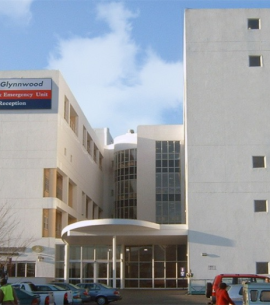
Glynn Eden Medical Suites, Benoni, JHB
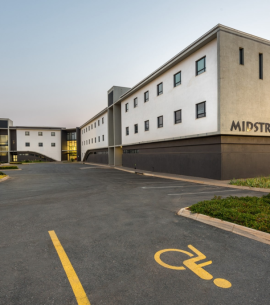
Midstream Hill Medical Park, Midstream, JHB
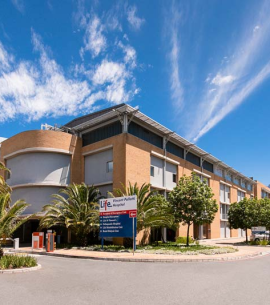
Life Vincent Pallotti Hospital, Pinelands, CT
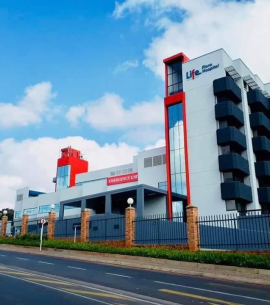
Life Flora Hospital, Roodepoort, JHB
Therapy Information
See below for detailed information on radionuclide therapy at TheraMed Nuclear
For referring doctors
Lu-177 PSMA Radioligand Therapy
Targeting PSMA-positive metastatic prostate cancer
Lu-177 PSMA radioligand therapy (RLT) delivers beta-particle radiation to prostate cancer cells via a PSMA-targeting ligand conjugated to lutetium-177. It is now an established therapy with a robust Phase III evidence base and is offered at four of our five sites in Gauteng and the Western Cape.
Indications and eligibility
Standard indications
- Metastatic castration-resistant prostate cancer (mCRPC) with PSMA-positive disease confirmed on 68Ga-PSMA or 18F-PSMA PET-CT.
- Prior treatment with at least one ARPI (abiraterone or enzalutamide) and prior taxane-based chemotherapy, or taxane-appropriate to delay (per evolving trial criteria).
- ECOG performance status 0–2.
- Adequate renal function (eGFR ≥30 mL/min/1.73m²) and bone marrow reserve (ANC ≥1.5 × 10⁹/L, platelets ≥100 × 10⁹/L, Hb ≥9 g/dL).
Relative exclusions
- Dominant or extensive visceral (liver, lung) metastases — consider FDG PET-CT to evaluate for PSMA-discordant disease before referring.
- Severe renal impairment or active urinary obstruction.
- Short life expectancy precluding meaningful benefit.
- Dry weight >130 kg (dosimetry constraints — discuss with us).
- Spinal cord compression or unstable fractures — urgent orthopaedic or radiation oncology review required before proceeding.
Imaging coordination: PSMA PET-CT for eligibility confirmation can be performed at TheraMed Nuclear. Where FDG PET-CT is clinically indicated to assess for discordant disease, we offer this at our Gauteng branches. Contact us to coordinate scan sequencing if needed.
Pre-treatment workup
Please ensure the following are available at the time of referral:
- 68Ga-PSMA or 18F-PSMA PET-CT report and images (if performed elsewhere — or we can arrange this); alternatively, 99mTc-iPSMA whole-body SPECT-CT where PET-CT is unavailable.
- Recent PSA, FBC, U&E (including eGFR), LFTs and testosterone.
- Complete oncological history: prior therapies, dates, response and current systemic treatment.
- Current medications — particularly any concurrent ARPIs, which may be continued; confirm taxane-based chemotherapy and large-field external beam radiotherapy have been completed at least four weeks before the planned treatment date.
- Relevant imaging (bone scan, CT chest/abdomen/pelvis, or prior PET-CT) for staging context.
Our nuclear medicine physician will review all pre-treatment information and perform a pre-therapy consultation with the patient. A joint clinical discussion with your rooms is welcome where cases are complex.
Our role in the care pathway
Pre-treatment PSMA PET-CT
We perform and report the scan; images are available on VENUS Share / LogiPACS within 24 hours.
Pre-therapy consultation
Our nuclear medicine physician reviews eligibility, consent, pre-therapy bloods and patient preparation.
Pre-authorisation
We submit to the medical aid with clinical motivation and liaise directly with you for supporting documentation.
Therapy administration
Outpatient IV infusion (approximately 30 minutes); the patient is monitored and discharged the same day in most cases.
Post-therapy imaging
Whole-body planar imaging and SPECT-CT are performed 24–72 hours after infusion, with the report issued to your rooms.
Inter-cycle monitoring
Blood results are reviewed before each cycle and you are notified of any concerns.
Reporting
A formal report is issued after each cycle and post-therapy scan, with PSA trends reviewed collaboratively.
6–8 weeks apart
Treatment is contingent on response and interim blood results. We communicate with your rooms at each cycle and flag any clinical concerns that warrant discussion. The patient’s oncological management between cycles remains with your team — we do not prescribe ARPIs or manage systemic therapy.
Medical aid funding
Funding for Lu-177 PSMA RLT in the South African private sector is evolving. The following reflects the current landscape as of mid-2026:
| Medical scheme | Funding status |
|---|---|
| Discovery Health |
HTA review Under formal HTA review. Pre-authorisation is required and outcomes vary by indication and benefit option. We manage the pre-authorisation and motivation process and have an established relationship with the Discovery HTA team. |
| GEMS |
Clinical motivation Fundable with clinical motivation in most cases. Pre-authorisation is required and we submit the motivation. |
| Medihelp |
Case-by-case Clinical motivation is required and we support this process. |
| Bonitas |
Case-by-case Pre-authorisation is required. |
| Momentum Health |
Case-by-case Pre-authorisation and ICD coding review are required. |
| Bankmed |
Fundable Fundable for documented indications with motivation. |
| Self-pay |
Available We provide a quotation on request. Contact the relevant branch. |
Where pre-authorisation is declined, we will advise you promptly and can assist with appeals where the clinical grounds are strong. We do not proceed with treatment without confirmed funding or patient consent to self-pay.
Referring a patient
Download our referral forms from the Referral Forms page on this site, complete the relevant form and send it to the branch email address for your patient’s region. We will contact the patient directly to schedule the appointment and keep you updated throughout.
Pre-authorisation: We manage the pre-authorisation process on your behalf. Where clinical motivation is required, we will liaise with you for supporting documentation. Patients are not asked to manage this themselves.
To discuss a patient before referring, contact us on 0861 NUCLEAR (682 5327) or email the relevant branch.
For referring doctors
Lu-177 DOTATATE PRRT
Peptide receptor radionuclide therapy for somatostatin receptor-positive neuroendocrine tumours
Peptide receptor radionuclide therapy (PRRT) using Lu-177 DOTATATE (Lutathera®) is the established standard of care for progressive, well-differentiated, SSTR2-positive neuroendocrine tumours. The NETTER-1 Phase III trial demonstrated a significant improvement in progression-free survival over high-dose octreotide LAR. TheraMed Nuclear has extensive experience in PRRT and performs both the diagnostic DOTATATE PET-CT and the treatment across multiple sites.
Indications and eligibility
Standard indications
- Well-differentiated (G1/G2), SSTR-positive neuroendocrine tumours — gastroenteropancreatic, bronchopulmonary, or unknown primary.
- Positive 68Ga-DOTATATE PET-CT — Krenning score ≥3 in target lesions (tumour uptake ≥normal liver).
- Progressive disease on standard therapy, or symptomatic disease warranting active treatment.
- Ki-67 typically <20%; G3 cases (Ki-67 20–55%) may be considered on a case-by-case basis — discuss with us.
- ECOG PS 0–2 with adequate organ function as outlined.
Baseline laboratory requirements
- Renal function: eGFR ≥40 mL/min/1.73m² (critical — impacts amino acid kidney protection dosing).
- Bone marrow: ANC ≥1.5 × 10⁹/L, platelets ≥100 × 10⁹/L, Hb ≥8 g/dL.
- LFTs: bilirubin ≤3× ULN, ALT/AST ≤5× ULN.
- Serum albumin: ≥3.0 g/dL.
Important pre-treatment consideration: somatostatin analogues
Long-acting somatostatin analogues (e.g. octreotide LAR, lanreotide) must be withheld for at least four weeks before each PRRT cycle. Short-acting octreotide should be withheld for 24 hours. Please factor this into your scheduling when referring — we will coordinate the timing with your team.
Pre-treatment workup
Please ensure the following are available at the time of referral:
- 68Ga-DOTATATE PET-CT with Krenning scoring — performed at TheraMed Nuclear if not yet done.
- 18F-FDG PET-CT — recommended in G2/G3 tumours or where clinical discordance is suspected; we offer this at our Gauteng branches.
- FBC, U&E (including eGFR), LFTs and serum albumin.
- Tumour markers: chromogranin A (CgA), NSE and urinary 5-HIAA where relevant.
- Cross-sectional imaging (CT or MRI) within the preceding six weeks for baseline tumour burden.
- Somatostatin analogue dosing schedule and date of last injection.
- Full medication list and allergy history.
Our role in the care pathway
Diagnostic DOTATATE PET-CT
Performed and reported at TheraMed Nuclear; Krenning scoring is documented and eligibility confirmed.
Pre-PRRT consultation
Our nuclear medicine physician reviews eligibility, bloods, the SSA washout schedule, consent and practical preparation.
Pre-authorisation
We submit to the medical aid with clinical motivation, the NETTER-1 evidence base and scan documentation.
Treatment — day of cycle
Amino acid infusion for renal protection (3–4 hours), followed by the DOTATATE PRRT infusion (approximately 30 minutes). The patient is monitored and discharged.
Post-therapy imaging
Whole-body imaging and SPECT-CT are performed 24–48 hours after treatment, with the report issued to your rooms.
Inter-cycle monitoring
FBC and renal function are reviewed before each cycle. SSA washout timing is coordinated with you, and a renogram is repeated before cycles 3 and 5 to confirm adequate renal drainage.
Cycle completion and reassessment
DOTATATE PET-CT and cross-sectional imaging are performed at treatment completion, with a response report issued.
8–12 weeks apart
PRRT is administered provided the patient continues to respond and there are no contraindications on interim bloods or imaging. The full day-case session takes approximately four to five hours because of the amino acid infusion, and the patient should have a companion available for the day.
Collaborative care: Your team retains responsibility for systemic therapy, symptom management and oncological decision-making. We manage the PRRT-specific pathway and keep you informed at each cycle. Where DOTATATE-avid disease recurs after an initial course, re-treatment with additional cycles may be considered in discussion with you and the patient’s oncologist.
Medical aid funding
| Medical scheme | Funding status |
|---|---|
| Discovery Health |
Generally favourable Fundable for documented NETTER-1 criteria with pre-authorisation and clinical motivation. Outcomes are generally favourable where evidence criteria are met. We manage the full submission. |
| GEMS |
Clinical motivation Fundable with motivation and pre-authorisation. We submit the clinical motivation. |
| Medihelp |
Fundable Fundable for GEP-NETs meeting NETTER-1 criteria. Pre-authorisation is required. |
| Bonitas |
Case-by-case Clinical motivation is required. |
| Momentum Health |
Pre-authorisation Pre-authorisation and ICD coding are required. Standard indications are typically fundable. |
| Bankmed |
Fundable Fundable with motivation. We support the process. |
| Self-pay |
Available Contact the relevant branch for a quotation. |
PRRT is among the better-funded nuclear medicine therapies in the South African private sector, particularly for GEP-NETs meeting NETTER-1 trial criteria. Where schemes have formulary restrictions, we will advise on the most effective pre-authorisation approach.
Referring a patient
Download our referral forms from the Referral Forms page on this site, complete the relevant form and send it to the branch email address for your patient’s region. We will contact the patient directly to schedule the appointment and keep you updated throughout.
Pre-authorisation: We manage the pre-authorisation process on your behalf. Where clinical motivation is required, we will liaise with you for supporting documentation. Patients are not asked to manage this themselves.
To discuss a patient before referring, contact us on 0861 NUCLEAR (682 5327) or email the relevant branch.
For referring doctors
Radioiodine Therapy
I-131 for hyperthyroidism and thyroid cancer — available across all five TheraMed Nuclear sites
Radioiodine (I-131) therapy is one of the most established treatments in nuclear medicine, exploiting the avid iodine uptake of thyroid tissue to deliver targeted beta-particle radiation. TheraMed Nuclear provides radioiodine for two distinct clinical scenarios — hyperthyroidism and differentiated thyroid cancer — and offers this service across all five branches, including Life Flora Hospital.
Hyperthyroidism
Indications
- Graves’ disease — as definitive therapy after antithyroid drug failure, patient preference, or recurrence after drug withdrawal.
- Toxic multinodular goitre — where surgery is not preferred or is contraindicated.
- Toxic adenoma — particularly where ablation of a single hyperfunctioning nodule is desired.
- Persistent or recurrent hyperthyroidism following partial thyroidectomy.
Contraindications and precautions
- Pregnancy: absolute contraindication. Confirm with a pregnancy test on the day of treatment in women of childbearing age.
- Active Graves’ ophthalmopathy: requires careful discussion and often pre-treatment with corticosteroids; discuss with us before referring.
- Breastfeeding: must be discontinued for at least six weeks before treatment.
- Planned conception: advise a minimum of six months after treatment before attempting conception.
Pre-treatment workup
- TFTs: TSH, free T4 and free T3.
- Thyroid uptake scan, if not recently performed — we can arrange this at TheraMed Nuclear; it assists with dose calculation.
- Current antithyroid drug use: propylthiouracil and carbimazole reduce iodine uptake. Withhold for at least 3–5 days before treatment and restart 3–7 days afterwards where appropriate. Discuss with us if thyroid function requires ongoing ATD cover.
- Thyroid antibodies (TRAb, TPO-Ab) if the diagnosis of Graves’ disease requires confirmation.
- Baseline FBC in patients taking carbimazole because of agranulocytosis risk.
Dose calculation is performed by our nuclear medicine physician. Most patients require a single treatment; a minority require a second dose after reassessment at six months.
Follow-up: We schedule review at one month to assess symptom control and repeat TFTs at three months to confirm treatment efficacy. Most patients will eventually develop hypothyroidism requiring lifelong Eltroxin (levothyroxine) replacement, which is managed by the referring physician.
Differentiated thyroid cancer
Indications — ATA risk-stratified approach
| ATA risk category | Radioiodine recommendation |
|---|---|
| Low risk T1a N0 M0, unifocal, no aggressive histology |
Generally not recommended. Discuss on a case-by-case basis — we will guide the decision with you. |
| Low–intermediate risk T1b–T2, multifocal, or minor extrathyroidal extension |
Selective use — adjuvant low-dose RAI (1.1 GBq) to facilitate monitoring and ablate remnant tissue. |
| Intermediate risk Vascular invasion, >5 lymph nodes involved, or extrathyroidal extension |
Recommended — adjuvant RAI with dose selected according to the patient’s risk features. |
| High risk Distant metastases, gross extrathyroidal extension, or incomplete resection |
Recommended — higher-dose RAI therapy using empirical or dosimetry-guided dosing. |
| Known iodine-avid distant metastases | Therapeutic high-dose RAI, with repeat courses as clinically indicated. |
Reduced RAI avidity: Hürthle cell carcinoma and poorly differentiated thyroid cancer may show reduced radioiodine avidity. TENIS syndrome (elevated Tg with a negative scan) may indicate RAI-refractory disease. Contact us to discuss imaging and management options in these cases.
Pre-treatment workup — thyroid cancer
- Confirm near-total or total thyroidectomy; remnant status affects dose planning.
- Post-operative Tg and TgAb — a critical baseline before TSH stimulation.
- Post-operative neck ultrasound.
-
TSH stimulation method — discuss with us:
- Thyroid hormone withdrawal (THW): stop T4 for four weeks, or T3 for two weeks; target TSH ≥30 mU/L. The patient becomes hypothyroid and should be prepared for symptoms.
- Recombinant TSH (Thyrogen®, thyrotropin alfa): two IM injections on days 1 and 2, with treatment on day 3 or 4. Preferred where THW is not tolerated or is clinically inadvisable. We can coordinate Thyrogen sourcing.
- Low-iodine diet for two weeks before treatment. We provide the patient with a detailed dietary guide.
- Avoid iodinated contrast for six weeks before treatment.
- FBC, U&E and TFTs on the day of treatment.
Our role in the care pathway
Dose-planning consultation
Our nuclear medicine physician reviews pathology, operative notes, Tg/TgAb and imaging, and determines the optimal dose and preparation method.
TSH stimulation coordination
We advise on the thyroid hormone withdrawal schedule or arrange Thyrogen, and liaise with your rooms on timing.
Treatment administration
Oral I-131 capsule administered as an outpatient for low–intermediate doses, or during supervised admission for higher doses in line with regulatory requirements.
Post-therapy whole-body scan
SPECT-CT is performed 3–7 days after treatment, with a report and dosimetric comment issued to your rooms.
Residual or recurrence surveillance
Stimulated Tg and anti-TgAb, diagnostic whole-body iodine imaging and neck ultrasound are performed at six months. Findings guide further management and are discussed with the referring team.
Pre-authorisation
We submit to the medical aid with ICD coding and clinical motivation where required.
Medical aid funding
Radioiodine therapy is generally well covered across South African medical schemes for both hyperthyroidism and post-thyroidectomy thyroid cancer management.
| Medical scheme | Funding status |
|---|---|
| Discovery Health | Well covered Well covered for both indications. Pre-authorisation is required for thyroid cancer doses. Low-dose hyperthyroidism treatment is typically a PMB benefit. |
| GEMS | Covered Covered, with pre-authorisation required. |
| Medihelp / Bonitas / Momentum | Covered Covered across standard benefit options. Pre-authorisation is required for thyroid cancer indications. |
| Bankmed and other open schemes | Generally covered Generally covered. We confirm pre-authorisation before scheduling. |
| Self-pay | Available Quoted per dose. Contact the relevant branch. |
High-dose inpatient radioiodine for aggressive thyroid cancer requires specific ICD-10 coding and may require an admission-related motivation. We manage this documentation as part of the pre-authorisation process.
Referring a patient
Download our referral forms from the Referral Forms page on this site, complete the relevant form and send it to the branch email address for your patient’s region. We will contact the patient directly to schedule the appointment and keep you updated throughout.
Pre-authorisation: We manage the pre-authorisation process on your behalf. Where clinical motivation is required, we will liaise with you for supporting documentation. Patients are not asked to manage this themselves.
To discuss a patient before referring, contact us on 0861 NUCLEAR (682 5327) or email the relevant branch.
For referring doctors
Radium-223 Therapy
Alpha-particle bone-targeted therapy for castration-resistant prostate cancer with bone metastases
Radium-223 dichloride (Xofigo®, Bayer) is a bone-seeking alpha-particle emitter licensed for the treatment of castration-resistant prostate cancer (CRPC) with symptomatic bone metastases and no known visceral metastatic disease. Its ALSYMPCA Phase III trial demonstrated an overall survival benefit over placebo, with a favourable toxicity profile. Administration is outpatient and straightforward, making it a practical component of a multi-modal treatment strategy.
Indications and eligibility
Standard indication
- Castration-resistant prostate cancer, on ongoing ADT, with symptomatic bone metastases.
- No known visceral metastatic disease involving the liver, lungs or brain at the time of treatment.
- ECOG performance status 0–2.
- Adequate bone marrow reserve: ANC ≥1.5 × 10⁹/L, platelets ≥100 × 10⁹/L and Hb ≥10 g/dL.
- No prior hemibody external irradiation. Systemic radiotherapy with strontium-89 or samarium-153 in the preceding six months is a relative contraindication.
Combination therapy context
- Enzalutamide or abiraterone: concurrent use is clinically appropriate and increasingly common. The PEACE-3 trial demonstrated improved radiographic progression-free survival for the Ra-223/enzalutamide combination in bone-metastatic CRPC.
- Bone-protecting agents: zoledronic acid or denosumab is recommended in eligible patients to reduce skeletal-related events. If not already prescribed, we recommend initiating one before or at the start of therapy.
- Docetaxel: concurrent use is not recommended outside a clinical trial because of the increased fracture risk observed with this combination.
Imaging confirmation: A prior PSMA PET-CT or bone scan confirming predominantly bone-only disease is important before treatment. Ra-223 is not appropriate where extensive visceral disease is identified. We can assist with PSMA PET-CT at TheraMed Nuclear if this has not yet been performed.
Pre-treatment workup
Please ensure the following are available at the time of referral:
- Bone scan or PSMA PET-CT confirming bone metastatic disease and the absence of visceral metastases.
- FBC including ANC, platelets and haemoglobin — required before every cycle.
- Serum testosterone to confirm castration, together with PSA.
- Creatinine / eGFR — there is no formal renal threshold, but a baseline is useful.
- Current medication list, specifically including ARPI use, docetaxel status and bisphosphonate or denosumab therapy.
- Baseline symptom assessment including bone pain score and analgesic use, to support monitoring of treatment response.
Our role in the care pathway
Pre-treatment consultation
Our nuclear medicine physician confirms eligibility, reviews bone imaging, obtains consent and explains the full treatment course and radiation precautions.
Pre-authorisation
We submit to the medical aid with clinical motivation, the ALSYMPCA evidence base and imaging documentation. Radium-223 can be challenging to fund, and we have experience navigating this process.
Treatment — each cycle
A slow IV injection is administered over approximately one minute. FBC is checked on the day, the patient is monitored briefly and then discharged. Total visit time is approximately 60–90 minutes.
Inter-cycle monitoring
FBC is reviewed before every cycle. We communicate any haematological concerns to your team before proceeding.
Cycle-completion report
A summary report is issued at the end of the six-cycle course, including PSA and alkaline phosphatase trends for your records.
ADT continuation
Ongoing ADT and systemic management remain with your team throughout the Ra-223 treatment course.
4 weeks apart
The interval between cycles is important. Cycles administered less than four weeks apart increase the risk of haematological toxicity. We coordinate scheduling with your rooms to maintain the correct spacing.
Monitoring and dose modification
Blood count monitoring before each cycle is mandatory. The following thresholds guide cycle delay or treatment discontinuation:
| Parameter | Threshold or action |
|---|---|
| ANC | Delay the cycle if ANC is <1.5 × 10⁹/L. |
| Platelets | Delay the cycle if platelets are <100 × 10⁹/L. |
| Haemoglobin | Discuss if haemoglobin is <8 g/dL. Transfusion may allow treatment to continue. |
| Not recovered by week 6–8 | Discontinue Ra-223, notify the referring oncologist and consider alternative systemic management. |
No dose-reduction pathway: Ra-223 is either administered at the standard dose of 55 kBq/kg or withheld. If a cycle is delayed beyond eight weeks, discontinuation is generally recommended. We will flag all such situations promptly.
Medical aid funding
Radium-223 (Xofigo) is a branded pharmaceutical and can be one of the more challenging therapies to fund in the South African private sector. Clear information about the funding landscape supports realistic planning with the patient.
| Medical scheme | Funding status |
|---|---|
| Discovery Health |
Option dependent Fundable on higher-tier options with pre-authorisation and clinical motivation. Outcomes on standard options are variable. We submit a detailed motivation and engage the HTA team where needed. |
| GEMS |
Clinical motivation Fundable with motivation. Outcomes vary by benefit option. |
| Medihelp |
Higher options Funded on higher options with motivation and restricted on entry-level plans. |
| Bonitas |
Case-by-case Clinical motivation is required. |
| Momentum Health |
Benefit review Pre-authorisation and pharmacy-benefit review are generally required for Xofigo as a scheduled item. |
| Bankmed |
Fundable Fundable with motivation. |
| Self-pay |
Available Quoted per cycle. Contact the relevant branch for a full six-cycle cost estimate. |
Where medical aid funding is declined and self-pay is being considered, we provide full cost information upfront. We can also advise whether a manufacturer patient-assistance programme may be applicable.
Referring a patient
Download our referral forms from the Referral Forms page on this site, complete the relevant form and send it to the branch email address for your patient’s region. We will contact the patient directly to schedule the appointment and keep you updated throughout.
Pre-authorisation: We manage the pre-authorisation process on your behalf. Where clinical motivation is required, we will liaise with you for supporting documentation. Patients are not asked to manage this themselves.
To discuss a patient before referring, contact us on 0861 NUCLEAR (682 5327) or email the relevant branch.
